Last week, I was juggling deadlines, kid pickups, and a fridge that needed restocking—total chaos. In the middle of it, I rolled out my mat for just 10 minutes of yoga right in my living room. That small shift melted the tension in my shoulders and cleared my head like nothing else.
I’ve been practicing home yoga for years now, and it’s become my go-to for building flexibility without gym memberships or fancy classes. It fits around real life, boosting energy and calm in ways that stick.
This routine is designed for all levels, from total beginners to those wanting more challenge. We’ll break it down into simple pillars, customizable options, and easy fixes for common hurdles. No matter where you start, you’ll feel steadier after your first session.
Picture ending your day with a few gentle stretches instead of scrolling endlessly. That’s the steady progress home yoga brings.
Why Home Yoga Fits Seamlessly into Your Everyday Routine
Home yoga thrives on simple cues from your daily flow. Notice the morning light filtering through your window or the quiet after dinner—these become natural signals to unroll your mat.
I stack mine with my coffee routine: while it brews, I do a quick breath series. This habit cue turns a familiar moment into a calm anchor, building consistency without extra effort.
Over time, this creates sustainable energy. You gain flexibility steadily, not through forced sessions, but through small wins tied to your existing rhythm.
It’s about presence, not perfection. Your body thanks you with looser hips and a quieter mind.
Set Up Your Cozy Yoga Corner Without Overhauling Your Home
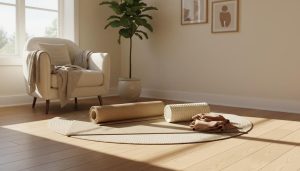
You don’t need a dedicated studio. Clear a 6×6 foot space in your bedroom or living room, using a rug or towel as your base.
Before: Cluttered corner with laundry piles. After: Swept floor, mat down, pillows nearby for support. This tweak cuts friction instantly.
For props, grab household items—a sturdy book for a block, a belt for a strap. I use folded blankets under my knees during floor poses, making everything comfy.
Dim the lights or play soft sounds from your phone. Your corner invites you back, turning setup into a soothing cue.
Link this calm space to a relaxing practice by exploring a Calm Evening Routine for Better Sleep Quality afterward.
The 4 Pillars of Your Sustainable Home Yoga Practice
These pillars form a flexible framework you can scale to your day. They keep things simple and effective, focusing on breath, movement, and closure.
- Warm-Up Breath (2-3 minutes): Sit comfortably, inhale for 4 counts, exhale for 6. This settles your nervous system. Example: Eyes closed, hands on belly to feel the rise and fall.
- Core Flow (5-15 minutes): Link 3-5 poses in a gentle sequence. Move with your breath—inhale to lengthen, exhale to fold. Builds heat and flexibility steadily.
- Cool-Down Stretch (3-5 minutes): Hold restorative poses like forward fold or legs up the wall. Soften your muscles, release the day.
- Reflection Cue (1 minute): Note one sensation, like “looser shoulders.” This ties the practice to real progress.
Start with pillar 1 and 4 if time’s short. Stack them onto brushing your teeth for an unbeatable routine.
This structure adapts to beginners or seasoned folks, emphasizing cues over complexity.
Your Customizable Routines Side by Side
Pick based on your energy and time—short for mornings, longer for evenings. The table below compares options, so you see modifications at a glance.
| Level | Duration | Key Poses (3-4) | Focus Area | Easy Modifications |
|---|---|---|---|---|
| Beginner | 10 minutes | Cat-Cow, Child’s Pose, Seated Forward Fold, Mountain | Gentle Mobility | Knees wide in Child’s; chair for support in Mountain |
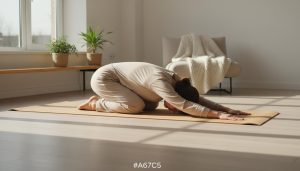
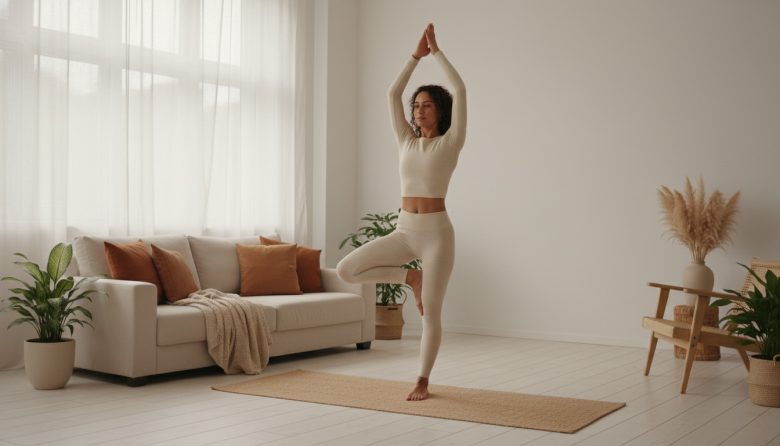
| Intermediate | 20 minutes | Downward Dog, Warrior II, Low Lunge, Tree Pose | Strength & Balance | Shorten lunge hold; wall for Tree stability |
| Advanced | 30 minutes | Plank to Chaturanga, Pigeon, Wheel, Crow | Deep Flexibility & Core | Blocks under hands in Crow; strap in Pigeon |
Adapt by swapping poses or shortening holds. Habit stack: Follow your beginner flow with brewing tea, making it a seamless cue.
These routines build small wins, like easier reaches after a week.
Common Blockers and Friction-Free Fixes
Life throws curveballs, but these tweaks keep momentum.
- Time crunch: Shrink to 5 minutes—breath pillar plus one pose. I do this during lunch breaks.
- Soreness or stiffness: Add extra props like cushions; warm up slower. Focus on breath to ease in gently.
- Motivation dip: Pair with a favorite playlist or podcast. Cue it after your morning stretch for automatic flow.
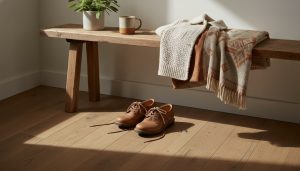
- Forgetfulness: Place mat visible by your door. Visual friction reducer works wonders.
These fixes turn blockers into cues for consistency. Progress feels steady, not strained.
When hunger hits post-practice, reach for steady energy with ideas from How to Pick Nutritious Snacks for Busy Days.
Your Tiny Metric: One Breath Count to Track Wins
Track your average deep breaths per session—aim for 20-30 to start. Use a notes app: jot “Session 1: 25 breaths.”
Example log: Day 1: 18 (rushed morning). Day 3: 28 (evening calm). Seeing the uptick fuels sustainable habits.
This metric spotlights breath quality, a core flexibility builder. No scales or timers needed—just honest counts.
Over a week, it reveals patterns, like deeper breaths after consistent cues.
Week 1 Action Plan: Cue It Up and Roll Out Your Mat
Choose one routine from the table—beginner if new—and one cue, like post-coffee or pre-bed.
Commit to 7 days: Roll out mat daily, even for 5 minutes. Note your breath count each time.
I remember my first week: Stiff starts turned to “I crave this” by day 4. You’ll notice looser limbs and calmer vibes.
Stack it with mindful moments, perhaps tying into Daily Tips for Mindful Eating Without Diets for full-day steadiness. Small cues lead to lasting flexibility.
You’re building a routine that fits you. Start tomorrow—your body will thank you.
Frequently Asked Questions
Can I do this routine if I’m a total beginner?
Absolutely, the beginner row and pillar 1 make it accessible. Start slow with modifications like wide knees or chair support. Build confidence through short, daily sessions—your body adapts quickly with gentle consistency.
What if I don’t have yoga props?
No worries—use towels for straps, books as blocks, and walls for balance. I swap couch cushions for bolsters all the time. These household tweaks keep friction low and your practice flowing.
How often should I practice for results?
Aim for 3-5 times a week to see steady flexibility gains. Even shorter sessions count toward consistency. Listen to your energy; rest days build sustainability, not setbacks.
I feel stiff—any pre-tips?
Begin with 2 minutes of warm-up breath to soften tissues. Add gentle neck rolls or ankle circles. Over days, this cue reduces stiffness naturally, without forcing deeper poses.
Can I adjust for injuries?
Yes, prioritize your body’s signals—skip painful poses and use props for support. Consult a doctor for specifics, and focus on breath and gentle stretches. Sustainable practice honors your limits for long-term progress.