Remember that foggy feeling after a long day glued to your desk? I sure do. A couple of years back, during a hectic week juggling work deadlines and family chaos, I hit a sedentary slump. My energy tanked, and my mind felt cluttered, like I couldn’t think straight.
That’s when I laced up my sneakers for my first short walk. Just 10 minutes around the block after dinner. It cleared my head and gave me steady energy that lasted into the evening. No gym membership or fancy gear needed—just fresh air and movement.
Walking daily transformed my routine without overwhelming changes. It sharpened my focus and helped me sleep better. If you’re a beginner tired of feeling stuck, this simple path is for you.
I’ll share a gentle 4-step framework to build your walking habit. We’ll cover personal sparks, easy layering, pillars for sustainability, real-life routines, blockers, and tracking. Steady steps lead to big shifts.
Find Your Personal Spark for Daily Walks
Why walk? Connect it to something that lights you up personally. For me, it’s better sleep and quiet time to unwind. Post-dinner walks became my cue, paired with a favorite podcast.
Think about your own why. Maybe family strolls strengthen bonds, or fresh air clears work stress. This spark keeps you coming back without force.
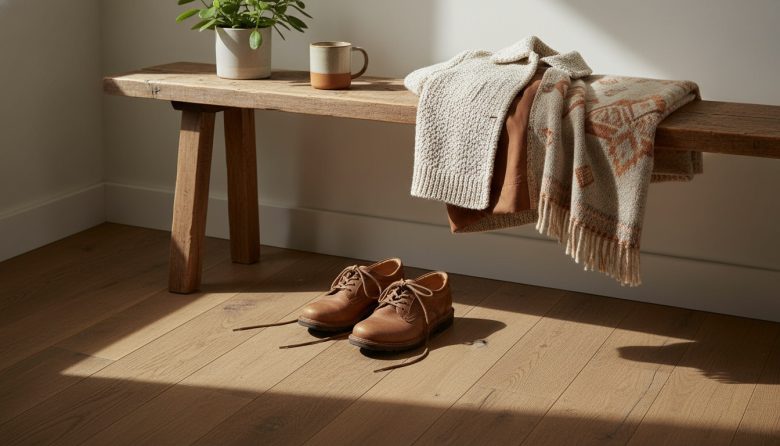
Your cue turns intention into action. I started by leaving shoes by the door, a visual nudge. Small wins like feeling calmer after one walk build momentum.
One reader shared how evening walks helped her process her day. She noticed steadier moods within a week. Find your spark, and walking sticks naturally.
Layer Walking into Your Existing Routine
Don’t carve out new time—stack walking onto what you already do. After morning coffee, step outside for five minutes. It flows seamlessly.
Environment tweaks cut friction. Place sneakers near your door or desk. Before: I’d collapse on the couch post-work. After: A quick loop around the neighborhood left me refreshed.
Pair it with lunch. Walk after eating to aid digestion and add steps. This habit stacking makes consistency effortless.
When you combine this with tips like those in 4 Tips to Add More Steps to Your Routine, your daily movement multiplies without extra effort. Simple cues transform routines.
Your 4 Simple Pillars for Sustainable Walking
Build your habit on these four pillars. They create a steady foundation for beginners. Each step focuses on cues, small starts, and rewards.
- Set a clear cue. Tie walking to a daily anchor, like after brushing teeth. Use a phone alarm as a gentle reminder. This reduces decision fatigue.
- Start tiny. Aim for 5-10 minutes only. Short walks build the routine without overwhelm. I began with porch laps on rainy days.
- Build consistency with cues. Repeat the cue daily. Track yes/no in a note. Friction fades as the habit wires in.
- Celebrate small wins. Notice clearer thoughts or better sleep. A quiet “well done” reinforces positivity. Sustainable progress comes from these moments.
Follow these pillars one at a time. Week one: just the cue. Add tiny steps next. My walks grew from 10 to 30 minutes naturally.
This framework avoids burnout. Steady layering creates lasting change. You’ll feel the shift in energy soon.
Compare Walking Routines That Fit Real Life
Real life varies, so pick a routine that matches your schedule. This table shows options with cues and tips. Scan for what clicks.
| Routine Type | Time Commitment | Best For Your Lifestyle | Quick Start Tip |
|---|---|---|---|
| Morning Fresh Start | 10 minutes | Busy parents | Pair with coffee; shoes by bed |
| Evening Wind-Down | 15 minutes | Desk workers | After dinner cue; podcast reward |
| Lunch Break Loop | 20 minutes | Office folks | Desk sneakers; loop nearby block |
| Weekend Builder | 30 minutes | Beginners scaling up | Park route; invite a friend |
| Mid-Afternoon Reset | 10 minutes | Remote workers | Post-meeting alarm; backyard path |
Use the table to choose one. Start with the quick tip. These fit around meals, like walking after balanced ones from How to Plan Balanced Meals on a Budget.
Adapt as needed. One routine leads to steady wins.
Overcome Everyday Blockers with Easy Fixes
Blockers happen, but fixes keep you moving. Weather? Pace indoors or try mall laps. No shame—just adapt.
Tiredness hits hard some days. Shorten to five minutes or sit and stretch. Consistency over perfection.
Forgetting is common. Set recurring cues like phone reminders. Environment tweaks, like visible shoes, prompt action.
- Bad weather: Indoor marches or treadmill apps reduce friction.
- No motivation: Pair with audio books for reward.
- Time crunch: Split into two 5-minute walks; stack on breaks.
- Achy joints: Gentle pace; consult doc if needed.
These tweaks sustain your routine. I faced rainy weeks but indoor pacing kept the habit alive. Progress stays steady.
Track One Tiny Metric for Steady Progress
Pick one easy thing: log “walked yes/no” in your phone notes daily. No apps needed at first. This builds awareness.
End of week, count yeses. Three out of seven? Celebrate. It shows sustainable growth.
I used a simple journal. Seeing streaks motivated me. Ties to nutrition too—track walks alongside veggies from 10 Ways to Sneak Veggies into Every Meal for full energy.
This metric spotlights small wins. Adjust cues based on patterns. Steady tracking fuels long-term habit.
Pick one routine from the table and one cue, like after breakfast. Try for 7 days. Notice the energy shift and clearer mind.
Frequently Asked Questions
What if I miss a day—does it ruin the habit?
No, missing one day doesn’t break anything. Habits thrive on consistency, not perfection. Restart with your cue the next day, and the routine rebounds quickly.
Research shows one off day rarely derails progress. Focus on the streak restarting. You’ll build resilience this way.
How short can my walk be to count?
Even five minutes counts fully. It strengthens the cue and neural pathway. Scale up as it feels natural.
Short walks reduce friction for beginners. I started with two-minute porch steps. They led to longer outings.
Bad weather is my biggest blocker—what now?
Switch to indoor pacing, hallway laps, or a nearby covered spot. Pre-plan alternatives to cut decision time.
Apps guide marching in place. This keeps momentum without weather excuses. Consistency wins.
Can I listen to podcasts or music during walks?
Absolutely, it stacks rewards and builds positive ties. Choose uplifting audio to associate pleasure with movement.
My podcasts turned walks into highlights. It eases longer sessions too. Great for busy days.
How do I know it’s working long-term?
Track weekly energy or mood notes alongside your yes/no log. Small wins like better sleep signal success.
Notice steadier focus or less slump. Adjust if needed, but trust the process. Sustainable change compounds.