I still remember the day I unrolled a towel on my living room floor for my first home yoga session. It was a hectic week—work deadlines piling up, kids running around—and I felt like a tightly wound spring ready to snap. That 10-minute practice changed everything: my shoulders softened, my mind quieted, and I slept better than I had in months. If you’re feeling overwhelmed like I was, home yoga offers a gentle path to stress relief, better flexibility, and steady energy without leaving your house.
Yoga at home builds sustainable habits through simple routines and cues that fit your life. No gym memberships or fancy classes needed—just you, your breath, and a bit of space. In this guide, I’ll share the exact steps I used to make it stick, from setting up your spot to a 4-pillar framework and easy poses. You’ll get a comparison table for routines, fixes for common hurdles, and one tiny way to track progress. Let’s build your calm, one breath at a time.
These tools create small wins that add up, turning yoga into a reliable routine. Pair it with other gentle habits, like those in the How to Prep Nutritious Snacks for the Week guide, to fuel your body for longer sessions. Ready to start?
Find Your Calm Corner: Setting Up a Welcoming Home Yoga Space
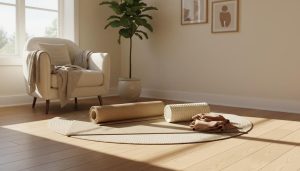
Creating a dedicated spot signals your brain it’s yoga time, reducing friction for consistency. I cleared a 6×6 foot area in my bedroom corner, adding a soft blanket and a plant for a cozy vibe. Before, my space was cluttered with laundry; after, rolling out my mat became a cue I craved.
Start small: pick a quiet area away from distractions. Use a yoga mat or thick towel to cushion your knees. Dim the lights or light a candle to set a soothing mood—simple tweaks that make showing up easier.
Habit stack it with your morning coffee: lay out your mat right after brewing. This environment cue turns intention into action. Over time, seeing your mat unrolled pulls you in, just like it did for me during busy evenings.
Keep props nearby—a cushion for support, blocks if you have them. Your space evolves with you, fostering steady practice without overwhelm.
Anchor Your Practice with a 4-Pillar Framework
This simple structure keeps sessions focused and repeatable, building confidence for beginners. I follow these pillars daily, stacking them onto my post-shower routine for automatic flow. Each one takes under five minutes, creating sustainable momentum.
- Breath Focus (1-2 minutes): Sit comfortably, close your eyes, and breathe deeply—in for four counts, out for six. Notice your belly rise and fall. This grounds you, easing into the practice like a warm hug for your nervous system.
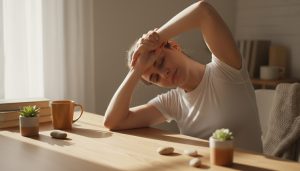
- Gentle Warm-Up (2 minutes): Roll your neck side to side, circle your shoulders, and sway your arms. Pair it with inhales on the upswing. I do this while my tea steeps, loosening tight spots from desk work.
- Core Poses (5-10 minutes): Flow through 3-5 poses, holding each for five breaths. Link breath to movement—inhale to lengthen, exhale to fold. This builds strength and flexibility steadily.
- Cool-Down Reflection (1-2 minutes): Lie back, palms up, and scan your body for tension release. Jot one grateful note in a journal. It seals the session with calm, encouraging tomorrow’s repeat.
Use this framework flexibly—shorten for busy days. My before routine was chaotic jumping around; after, these pillars brought order and joy. They adapt to life, promoting small, consistent wins.
Match Your Schedule: Beginner Routine Options at a Glance
Not every day fits a long session, so here’s a quick comparison of beginner routines. Pick one that matches your energy and time, using the table below as your guide. It helped me rotate options without decision fatigue.
| Routine Name | Duration | Best Schedule Fit | Focus Area | Poses Included |
|---|---|---|---|---|
| Morning Energizer | 10 minutes | Pre-breakfast | Energy boost | Mountain, Cat-Cow, Standing Forward Fold |
| Midday Reset | 12 minutes | Lunch break | Stress relief | Child’s Pose, Seated Twist, Downward Dog |
| Evening Wind-Down | 15 minutes | Post-dinner | Relaxation | Warrior I, Bridge, Legs-Up-the-Wall |
| Weekend Flow | 20 minutes | Slower mornings | Full body | Downward Dog, Low Lunge, Corpse Pose |
| Quick Restore | 5 minutes | Anytime crunch | Mind calm | Seated Forward Fold, Neck Rolls, Breath Focus |
Scan the table and choose one routine to try first—maybe Morning Energizer if dawn suits you. Notice how Poses Included align with your needs. This visual pick builds routine without guesswork, leading to steady sessions. Rotate weekly for variety and sustained interest.
Ease Into Essential Poses Without Overwhelm
Master these five beginner poses with breath cues and tweaks—they form the backbone of home practice. I started stiff, but gentle holds brought flexibility over weeks. Move slowly, using your breath as a guide.
- Mountain Pose: Stand tall, feet hip-width, arms at sides. Inhale to lift chest, exhale to ground feet. Hold 5 breaths; tweak by softening knees if balance wobbles. Builds posture awareness.
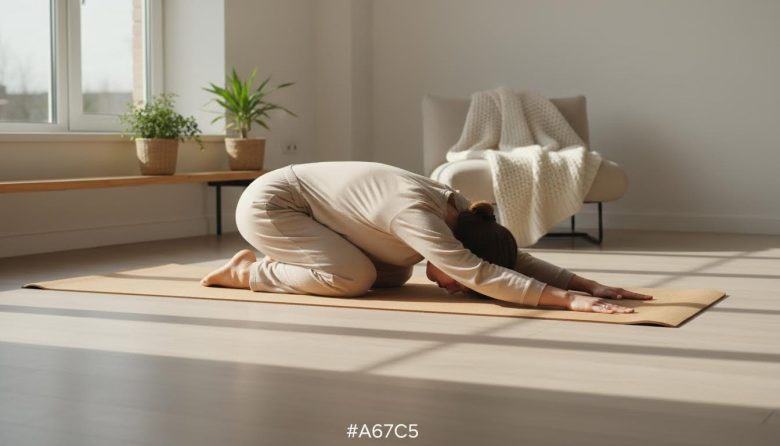
- Child’s Pose: Kneel, fold forward, arms extended. Breathe deeply into your back. Rest forehead on mat or pillow; perfect for quick resets during workdays.
- Downward Dog: From hands and knees, lift hips up and back, forming an inverted V. Pedal feet to warm hamstrings. Bend knees generously—no perfect form needed yet.
- Warrior I: Step one foot back, front knee bent, arms overhead. Gaze up, breathe steadily. Shorten stance if hips feel tight; strengthens legs steadily.
- Corpse Pose: Lie flat, palms up, eyes closed. Scan body for release. Stay 2-5 minutes; my go-to for ending with deep calm.
Practice one pose daily before adding more—this layering prevents overwhelm. Combine with the Beginner’s Guide to Simple Home Workouts for balanced movement. Your body adapts with patience and cues.
Before: I skipped poses feeling inflexible. After: Tweaks like props made them accessible, sparking joy in progress.
Unstick Common Blockers for Steady Home Sessions
Even simple practices hit snags—here’s how to fix them without force. These tweaks kept my routine alive through life’s chaos.
- Time Crunch: Shorten to 5 minutes using Quick Restore from the table. Stack after brushing teeth—cues cut excuses.
- Sore Muscles: Add rest days with breath focus only. Use cushions under knees; gentle props reduce friction.
- Motivation Dips: Track one win post-session, like “felt looser.” Pair with the Beginner’s Guide to Easy Daily Meditation for mental lift.
- Distractions: Set a phone timer, practice early. Close door for your calm corner cue.
- Forgetfulness: Leave mat visible overnight. Visual reminders build automaticity.
Address one blocker weekly for sustainable flow. My before days were skipped sessions; after fixes, consistency grew naturally.
Track This One Tiny Metric for Sustainable Wins
Log your post-session calm level from 1-5 in a notes app—simple, quick, powerful. I started at 2s, now hit 4-5 regularly, proving progress.
After each practice, pause: How calm do you feel? Note it with date and routine used. Review weekly to spot patterns, like Evening Wind-Down scoring highest.
This metric builds momentum without pressure—celebrate trends over perfection. It cues your brain for repeat wins, turning yoga into a habit loop. Steady tracking fosters long-term routine.
Layer Yoga into Your Day for Lasting Routine
Pick one routine from the table, like Midday Reset, and one cue: unroll mat post-lunch. Try for seven days straight—small commitment, big shift.
Stack it onto existing habits, like after your daily walk. I layered Morning Energizer before breakfast, creating unbreakable flow. Notice energy rise and stress fade.
Your turn: Choose today, cue it visibly, track calm. Seven days build the cue-strength for life. You’ve got this—steady steps to your calmer self.
Frequently Asked Questions
Do I need fancy mats or props to start home yoga?
No, basics like a towel or carpet work fine—start there to keep friction low. I used a folded blanket for months before buying a mat, and it built my habit without spending. Add affordable props like cushions later for comfort tweaks.
What if I’m stiff or inflexible—can yoga still help?
Absolutely, yoga meets you where you are with modifications like bent knees in Downward Dog. My tight hips softened over weeks of gentle holds—no forcing needed. Focus on breath and small ranges for steady flexibility gains.
How often should a beginner practice at home?
Aim for 3-5 days a week, 10-15 minutes each—consistency over intensity. Rest days prevent burnout, letting your body adapt. Rotate routines from the table to keep it fresh and sustainable.
Is it safe to follow free online yoga videos alone?
Yes, if you choose beginner-friendly ones and listen to your body—stop if pain arises beyond mild stretch. Start with guided audio matching this framework for safety. Build awareness through pillars first, then explore videos slowly.
What do I do if my mind wanders during poses?
Gently return to your breath—it’s normal, even for me after years. Use a cue like counting exhales to refocus without judgment. Over sessions, this trains steady attention, deepening calm.