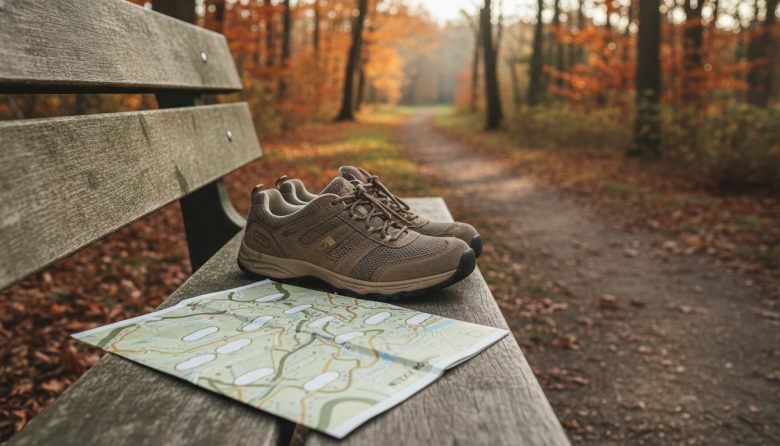
I remember those afternoons when my energy would just plummet. I’d stare at my computer screen, fighting yawns after lunch, relying on coffee that left me jittery and crashing harder later. That changed when I started weaving in weekly walks—simple, steady strolls that built real, all-day energy without the ups and downs.
Walking isn’t about running marathons or sweating buckets. It gently boosts your mitochondria, those tiny powerhouses in your cells, by increasing oxygen flow and sparking natural endorphins. The result? Steady energy that lasts, plus cues that make it a routine you actually stick with.
In this plan, you’ll get a simple 4-pillar framework to make walking effortless. We’ll break down a weekly checklist table you can customize, tackle common blockers with easy fixes, track one tiny metric for progress, and end with a 7-day launch. If you’ve felt stuck in low-energy ruts, this is your gentle path to small wins. Let’s step into it together.
Why Walking Delivers All-Day Energy Without the Crash
Walking works because it ramps up oxygen to your muscles and brain without overwhelming your system. Unlike caffeine spikes, it releases endorphins steadily, creating a calm focus that carries through your day. Over time, this builds consistency, turning walks into a cue for sustained energy.
Picture my before routine: desk-bound mornings bleeding into foggy afternoons, grabbing sugary snacks for a quick lift that faded fast. After adding walks, my after routine shifted—post-walk clarity let me tackle tasks with ease, no crash by evening. Those small wins stacked up, making energy feel natural.
Science backs it simply: regular movement enhances blood flow, reducing fatigue signals from your body. It also cues your brain for alertness without stress hormones. Pair this with tweaks like those in Beginner’s Guide to Easy Daily Meditation, and your calm energy multiplies.
Anyone can start— no gear needed, just shoes and a door. The rhythm of steps creates friction-free momentum, leading to better sleep and fewer slumps. Ready for your framework? It keeps things structured yet flexible.
Your 4-Pillar Framework for Weekly Walking Success
This 4-pillar setup makes weekly walking sustainable, focusing on cues, ease, stacking, and reflection. Each pillar builds on the last for steady progress without overwhelm.
- Pillar 1: Set a Daily Cue. Link your walk to something reliable, like after breakfast or finishing email. This cue reduces decision fatigue, making the habit automatic.
- Pillar 2: Choose Friction-Free Routes. Pick flat paths near home or work—no hills or traffic jams. Environment tweaks like this cut excuses before they start.
- Pillar 3: Stack with Existing Routines. Attach walks to daily anchors, such as pairing with your morning coffee. Habit stacking turns one routine into two seamless wins.
- Pillar 4: Reflect Weekly for Tweaks. Sunday evenings, note what worked. Adjust cues or routes for next week, celebrating small consistencies.
Take my example: I stacked a 10-minute walk with my coffee ritual. Before, coffee alone left me buzzing then dropping; now, the walk smoothed it into focused mornings. This framework scaled easily from 10 minutes to 30, building energy without force.
Transitions between pillars feel natural—cues lead to routes, stacking adds joy, reflection sustains it. Beginners love how it avoids rigid schedules. Weave in nutrition from 10 Simple Ways to Eat More Whole Foods post-walk for even more steady fuel.
With these pillars, walking becomes a cue-driven routine. Your body adapts, mitochondria thrive, energy steadies. Next, see it in a weekly table for hands-on use.
Effortless Weekly Walk Breakdown: Build Momentum Day by Day
This weekly walking habit checklist table is your customizable tracker. Use it to log cues, durations, energy notes, and completions—print it, screenshot to your phone, or copy into a notes app. Start small, like 15-20 minutes most days, with one rest or lighter day for recovery.
Fill it as you go: note your trigger cue beforehand, jot post-walk energy after. This builds consistency and reveals patterns, like which cues spark the best flow. Customize durations to fit your life—momentum grows from steady use.
Weekly Walking Habit Checklist
| Day | Duration | Trigger Cue | Post-Walk Energy Note | Completed |
|---|---|---|---|---|
| Monday | 20 min | After lunch | Clear-headed focus kicked in | ☑ |
| Tuesday | 15 min | Post-breakfast | Steady calm through meetings | ☑ |
| Wednesday | 25 min | Evening unwind | Relaxed but alert | ☑ |
| Thursday | 20 min | After work emails | Boosted dinner prep energy | ☐ |
| Friday | 15 min | Mid-afternoon | Weekend vibe without crash | ☑ |
| Saturday | 30 min | With dog/nature | Full recharge | ☑ |
| Sunday | 10 min | Gentle reset | Peaceful wind-down | ☑ |
For Monday in my example, I walked 20 minutes after lunch, noting sharper focus that lasted. Tweak as needed—shorten for busy days. This table ties directly to your pillars, making reflection visual and fun.
Common Blockers to Weekly Walking (and Quick Fixes)
Blockers pop up, but simple tweaks keep momentum. Here’s how to handle the top ones without guilt.
- Weather Woes: Rain or cold? March in place indoors while watching a view or pacing during calls. Low-friction swap keeps the cue alive.
- Time Crunch: Short on minutes? Start with 5-minute loops around the block. Build from there—small wins reduce overwhelm.
- Boredom Blues: Routes feel dull? Add podcasts or call a friend. Stack audio enjoyment to cue positive associations.
- Motivation Dips: Feeling off? Lower the bar to just stepping outside. Environment cues like prepped shoes by the door ease entry.
These fixes focus on reducing friction, not pushing harder. My rainy weeks switched to hallway laps, maintaining consistency. Soon, walks felt like rewards.
Addressing blockers early sustains your framework. Track them in your table notes for pillar 4 tweaks. Now, let’s add a tiny metric for proof of progress.
Track Tiny Metrics for Steady Energy Gains
Your one easy metric: Rate evening energy on a 1-10 scale, only on walk days. Note it right in your phone’s notes app post-dinner—takes seconds.
Why this? It ties to pillar 4 reflection, showing small wins like going from 4/10 to 7/10 over weeks. Celebrate averages rising, not perfection.
Example: My first week averaged 5; by month two, 8. This sustainable tracking motivates without pressure. Link it to lighter habits from 7 Habits for a Lighter Daily Lifestyle for compounded energy.
Real Routine Makeover: How Walking Transformed My Week
Before walks, my week dragged: Monday meetings left me drained by noon, weekends spent recovering on the couch. Energy yo-yoed with caffeine and skips.
After embracing the framework, Monday’s post-lunch power walk sparked focus through afternoon tasks. Tuesday’s breakfast stack fueled steady mornings; by Wednesday evenings, I unwound with energized calm.
Thursday crunches got 10-minute cues; Friday afternoons perked up. Saturday’s longer nature stroll recharged fully, Sunday’s gentle reset prepped the week. Beginners, this makeover shows steady buildup—no rush, just cues and small wins.
Post-walk, I noticed deeper sleep and fewer snack crashes. My routine now hums with sustainable rhythm, proving walking’s gentle power.
Launch Your 7-Day Walking Momentum
Pick one habit: 15-minute walks. Choose one cue: right after breakfast. Try for 7 days using the table—check off, note energy, reflect Sunday.
This tiny start builds cues and consistency. You’ll feel the mitochondrial boost in steadier days. You’ve got this—step out and watch energy unfold.
FAQ: Your Weekly Walking Questions Answered
What if I miss a day in my walking plan?
Simply restart with your cue the next day—no big deal. Focus on consistency over perfection; one skip doesn’t erase progress. Use pillar 4 reflection to tweak cues if patterns emerge, keeping momentum gentle.
Can beginners start this weekly plan?
Absolutely—scale durations to 5-10 minutes at first. The pillars and table make it customizable for any level. Track your tiny metric to see small wins build confidence quickly.
How does walking specifically boost energy?
Walking increases oxygen to mitochondria, enhancing ATP production for steady cellular fuel. It cues endorphins and better blood flow, reducing fatigue without hormone spikes. Over weeks, habit consistency amplifies these effects for all-day calm.
What if bad weather blocks my walks?
Switch to indoor options like marching in place or pacing hallways—same duration, zero friction. Prep cues like comfy socks by the door ahead. This environment tweak keeps your weekly streak alive seamlessly.
How do I know it’s working?
Watch your tiny metric: rising evening energy scores signal gains. Notice small wins like clearer focus or fewer crashes. Table notes will show patterns, confirming steady progress in your routine.