I used to start my days grabbing a box of sugary cereal, feeling that mid-morning crash every time. Then I swapped it for rolled oats topped with fresh berries, and suddenly my energy steadied through the morning. That small shift opened my eyes to whole foods—think fruits, veggies, grains, nuts, and beans in their natural form.
Whole foods fuel you with steady energy, support better digestion, and help maintain even moods without the ups and downs of processed stuff. They’re minimally processed, keeping nutrients intact for real nourishment. Over time, they become satisfying in ways refined foods never could.
In this guide, I’ll share 10 simple ways to weave more whole foods into your routine, grouped by meals and snacks. These fit busy schedules with cues and small tweaks. No big overhauls—just steady steps toward sustainable eating. Let’s make it easy and enjoyable.
Wake Up to Energizing Breakfasts with Oats and Fresh Fruits
Start with way one: swap sugary cereals for rolled oats. Oats are a whole grain that digests slowly, giving you lasting fullness. Cook them on the stove or make overnight oats by mixing half a cup with milk and fridge overnight.
Way two: top with whole fruits like berries or sliced apples. Berries burst with antioxidants, while apples add crunch without added sugars. I stack this habit on my morning coffee cue—while the pot brews, I portion oats and fruit.
Before, my routine was pour cereal, eat fast, crash by 10 a.m. After: wake, blend overnight oats with yogurt and blueberries, sip coffee. Energy holds till lunch. This tweak took one week to stick, thanks to prepping bowls the night before.
Try it: keep oats and fruits visible on your counter. Consistency builds here, one steady morning at a time.
Revamp Lunches by Leading with Veggies and Whole Grains
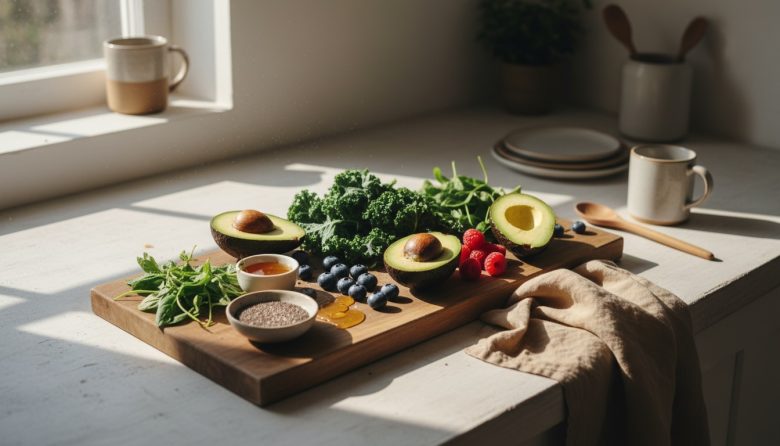
Way three: build salads starting with leafy greens like spinach or kale. Fill half your plate or bowl first—it’s a visual cue to prioritize plants. Dress lightly with olive oil and lemon for flavor.
Way four: pair with whole grains like quinoa or brown rice instead of white versions. Quinoa cooks in 15 minutes and packs protein. When considering how to add more veggies to your everyday meals, layer them over these grains for a complete base.
Set up a lunch prep station: chop veggies Sunday, store in jars. Cue yourself with a dedicated lunchbox that screams “veggie-forward.” My before lunch was sandwich on white bread; now it’s quinoa salad with greens, steady fuel for afternoons.
This reduces decision fatigue. Environment tweaks like visible jars make choosing whole foods frictionless.
Simplify Dinners: Plants First, Proteins Second
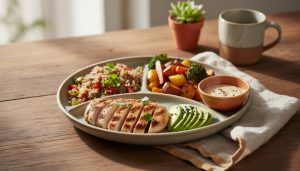
Way five: dedicate half your dinner plate to veggies, like roasted broccoli or zucchini. Roasting brings out sweetness—toss with oil, salt, 400°F for 20 minutes. Plants first crowds out heavier options naturally.
Way six: follow with whole proteins such as beans, lentils, or eggs. Lentils simmer in 25 minutes, hearty and cheap. Batch cook a pot weekly to cut evening friction.
I remember dinners of pasta every night; post-swap, roasted veggies plus lentil stew feels nourishing. Small win: fuller without bloating. Habit stack on your usual cook time—chop veggies first.
Progress feels steady when you plate plants before anything else. Sustainable shifts like this add up quietly.
Snack on Nature’s Crunch: Nuts, Seeds, and Veggie Sticks
Way seven: reach for a handful of almonds or walnuts over chips. Nuts offer healthy fats for satiety. Portion into small bowls to avoid overdoing it.
Way eight: crunch carrot or celery sticks with hummus. Hummus from chickpeas counts as whole food. Place a bowl on your counter as a visual cue—easy grab when hunger hits.
Before, I’d raid the vending machine; now, prepped sticks wait in the fridge. Pair with your afternoon tea routine for stacking. This curbs mindless munching with real crunch and nutrition.
Consistency shines here. One cue, like counter bowl, turns snacks into whole food wins.
Sweeten Evenings with Whole Fruit Medleys
Way nine: bake apples with cinnamon for a warm treat. Core, slice, sprinkle cinnamon, 350°F for 20 minutes. Natural sweetness emerges without sugar.
Way ten: blend frozen bananas into “ice cream.” Freeze ripe bananas, process in a food processor. Top with nuts for texture.
Evenings used to mean cookies; now baked apples satisfy post-dinner. I cue this after brushing teeth, linking to wind-down. If you enjoy a calm evening routine for better sleep quality, this fits perfectly without disrupting rest.
One simple cue keeps overwhelm away. Your taste buds adapt, craving these natural sweets.
Quick Food Swaps to Boost Your Whole Foods Intake
These swaps tie the 10 ways together, making transitions smooth. Use this table as a cheat sheet for your kitchen. Spot patterns and pick one to try weekly for small wins.
| Processed Food | Whole Food Swap | Key Benefit | Prep Cue |
|---|---|---|---|
| Sugary cereal | Rolled oats with berries | Steady energy | Overnight jar prep |
| White rice | Quinoa or brown rice | Better digestion | Batch cook Sundays |
| Chips | Almonds or veggie sticks | Sustained fullness | Counter bowl portions |
| Pasta with sauce | Lentil stew over greens | More fiber | Plate veggies first |
| Candy bar | Baked apple slices | Natural sweetness | Evening fruit cue |
| Store-bought yogurt | Plain yogurt with fruits | No added sugars | Fridge top layer |
Each row reduces friction while building habits. Notice how prep cues make them routine-ready.
Common Blockers and Simple Fixes for Steady Progress
Time crunches hit everyone—fix with 5-minute preps like overnight oats or pre-chopped veggies. No need for hours in the kitchen.
Boredom creeps in? Rotate colors: green kale one day, orange carrots next. Variety keeps it fresh without effort.
Cost concerns? Buy seasonal produce and bulk grains—cheaper and fresher. Start small to see savings add up.
Tiny metric: track whole food servings per meal, aiming for 3+ daily. Use your phone notes for quick logs. This builds awareness gently, celebrating steady progress.
Pair this with easy habits like how to track water intake with easy habits to support your whole foods routine.
Pick one swap from the table and one cue, like a counter bowl. Try for 7 days and notice the small wins. You’ve got this—steady steps lead to real change.
Frequently Asked Questions
What counts as a whole food?
Whole foods are plants or animal products with minimal processing—like fresh apples, raw nuts, rolled oats, or steamed broccoli. They keep natural fibers, vitamins, and textures intact. Avoid anything with added sugars, preservatives, or heavy refining; think ingredients lists under five items, mostly recognizable.
How do I fit this into a busy schedule?
Batch prep once weekly: chop veggies, cook grains, portion nuts. Use cues like morning coffee for breakfast oats or fridge jars for lunch grabs. Five-minute actions, like blending frozen bananas, slot in anywhere without stress.
Will I miss the taste of processed foods?
At first, maybe—but flavors build over two weeks as your palate adjusts. My cookie cravings faded once baked apples hit the spot. Experiment with herbs, spices, or roasting to enhance natural tastes gently.
What’s a good tiny metric to track?
Count whole food servings per day—aim for 3+ per meal, like one fruit, two veggies, one grain. Jot in a notes app after eating. It highlights progress without overwhelm, motivating consistency.
What if my family resists whole foods?
Involve them with kid-friendly swaps: veggie sticks as “crunchy fries,” fruit medleys for dessert. Start with one shared meal, like oats with toppings everyone picks. Gentle exposure wins them over through familiarity and taste tweaks.