I remember the days when my plate looked more like a barren landscape than a colorful feast. Mornings rushed by with just coffee and toast, lunches were grab-and-go sandwiches, and dinners? Often takeout that left me feeling sluggish. Then I started small, sneaking veggies into routines I already had, and everything shifted—steady energy through the day, fewer cravings, and clothes fitting looser without trying.
Studies back it up: adding just one extra serving of veggies daily cuts chronic disease risk by 20%, boosts fiber for better digestion, and stabilizes blood sugar for that even-keeled focus. No diets or overhauls needed. This guide shares my go-to tweaks for breakfast, lunch, dinner, snacks, and swaps, plus a simple framework to make it stick.
These aren’t flashy changes. They’re quiet upgrades to your current habits, building consistency one cue at a time. By the end, you’ll have a plan for sustainable veggie wins that feel natural, not forced.
Blend Veggies Seamlessly into Breakfast Routines
Breakfast sets the tone, so stack veggies where they hide best. I toss a handful of spinach into my morning smoothie—it’s the first cue after brewing coffee, blending in seconds without altering taste.
Before, my routine was oatmeal alone. Now, it’s oats with grated zucchini stirred in, baked into muffins on Sundays for grab-and-go. That small friction reducer means two servings before 9 a.m., fueling steady energy.
Try peppers diced into eggs or avocado on toast with sliced tomatoes. Environment tweak: keep a pre-washed greens bag on the counter. One week in, and it becomes automatic.
For an extra boost, pair this with ideas from Top 10 Foods to Naturally Increase Your Energy, where greens like spinach shine for all-day vitality.
Revamp Lunches with Portable Veggie Boosts
Lunch often suffers from time crunches, but portable packs change that. Mason jar salads layer veggies at the bottom—cucumbers, carrots, dressing—then greens on top to stay crisp.
Before: sad desk salad skipped entirely. After: a jar prepped Sunday night means crunchy bell peppers and broccoli with hummus, eaten mid-meeting. Habit stack it with your coffee break cue.
Veggie wraps roll spinach, shredded carrots, and avocado in whole-grain tortillas. Buy pre-chopped bags to cut prep friction—suddenly, lunch delivers three servings without extra effort.
Make it mindful by slowing down bites, much like tips in Daily Tips for Mindful Eating Without Diets, turning meals into quiet recharges.
Transform Dinners into Family Veggie Wins
Dinners shine with one-pan wonders that cook evenly. Sheet-pan meals layer chicken, broccoli, sweet potatoes—roast at 400°F for 25 minutes, hands-free consistency.
My family resisted at first, but stir-fries won them over: snap peas, carrots, bell peppers tossed in soy-ginger sauce with rice. Involve kids in chopping for buy-in.
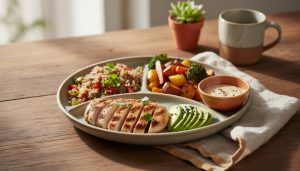
Before: plain protein and starch. After: every plate half veggies, thanks to visible fridge bins as cues. This routine tweak sustains flavor without endless recipes.
Craft Satisfying Snacks from Veggie Staples
Snacks curb hunger between meals, so lean on dips and crisps. Carrot sticks with guac or hummus fill a container Sunday—crunch satisfies chip cravings.
Baked kale chips season with olive oil, salt, 10 minutes at 300°F. Before: vending machine grabs. After: a bowl by my desk, two servings vanished effortlessly.
Reduce friction with portioned baggies. Celery boats stuffed with nut butter add sweetness. These small wins keep energy steady through afternoons.
Quick Swaps to Double Your Veggie Intake
Swaps trade familiar habits for veggie versions, building small wins without rethinking meals. Use this table as your cue sheet—pick one row weekly for steady progress.
Each matches taste and texture closely, preps fast, and amps nutrition quietly.
| Current Habit | Veggie Swap | Prep Time | Taste/Texture Match | Health Boost |
|---|---|---|---|---|
| White pasta | Zucchini noodles (zoodles) | 5 minutes | Spiralized chew mimics al dente | Extra fiber, fewer carbs |
| White rice | Cauliflower rice | 3 minutes | Fluffy grains, neutral base | Low-cal bulk, vitamin C |
| French fries | Baked zucchini fries | 10 minutes | Crispy exterior, soft inside | Antioxidants, less oil |
| Sandwich bread | Lettuce wraps | 2 minutes | Fresh crunch replaces doughy | Hydration, zero refined grains |
| Potato chips | Kale chips | 12 minutes | Salty crisp perfection | Vitamin K, iron boost |
| Pasta sauce | Pureed carrots/squash | 5 minutes | Creamy sweetness enhances | Beta-carotene for eyes/skin |
| Burger bun | Portobello cap | 4 minutes | Meaty hold, earthy note | B vitamins, gut fiber |
Print or screenshot it for your fridge. Start with one swap per meal, noting how prep time shrinks with routine. These build momentum naturally.
Tackle Common Blockers with Friction-Free Fixes
Blockers pop up, but simple tweaks dissolve them. Here’s how to spot and smooth them out.
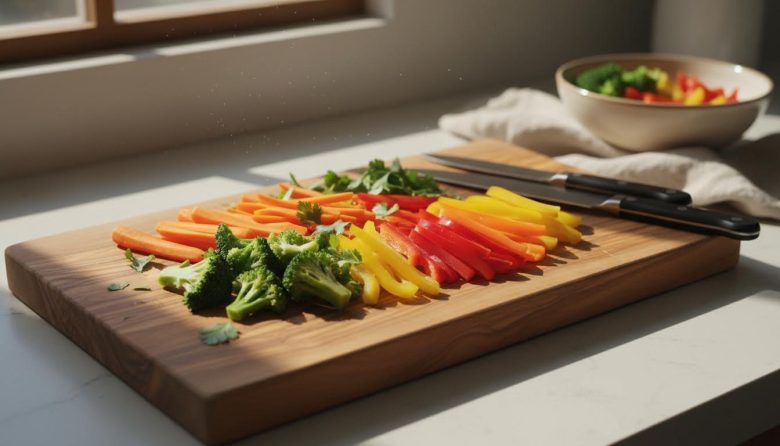
- Time crunch: Batch-chop Sundays—veggies last 5 days in containers. Cue: pair with coffee brewing.
- Bland taste: Stock herbs, lemon, garlic. Roast or sauté for depth, not boring steam.
- Waste worry: Buy frozen or hardy roots like carrots. Freeze extras for smoothies.
- Motivation dips: Track one win daily. Share photos with a friend for gentle accountability.
These fixes turn “should” into “did,” fostering consistency over time.
Your 4-Pillar Framework for Everyday Veggie Habits
This framework anchors routines with four steady pillars. Lean on them for sustainable change.
- Plan cues: Place chopped veggies front-and-center in fridge or counter bowls. Visual nudge sparks action, like my morning spinach grab.
- Prep once: Dedicate 30 minutes weekly to washing, chopping, portioning. Stockpile reduces daily friction dramatically.
- Stack habits: Pair with existing meals—veggies in eggs, smoothies, wraps. Builds on momentum without new slots.
- Celebrate small wins: Note “three servings today” in a journal. Savor the steadiness, not perfection.
Rotate pillars weekly. My first month? Veggie intake doubled quietly.
Track Progress with One Tiny Metric
Overwhelm kills habits, so pick one tiny metric: veggie servings per day. Log in phone notes—aim for 1 extra, tally colors for fun.
Why it works: Quick review shows steady climbs, like 4 to 7 servings over weeks. No apps needed, just honest snapshots.
Cue it nightly with tea. This frictionless track fuels quiet pride and tweaks.
Ready to Start? Your 7-Day Challenge
Choose one swap from the table, like zoodles, and one cue, say fridge-front carrots. Try for 7 days, logging your tiny metric.
Expect small wins: fuller energy, easier routines. Adjust as needed—consistency compounds. You’ve got this; one veggie at a time builds the habit.
Frequently Asked Questions
What if my family resists veggies?
Start subtle with hidden purees in sauces or grated into favorites. Involve them in picking market veggies or naming fun shapes—ownership builds acceptance gradually.
Sheet-pan meals let everyone customize portions. Over time, tastes adapt; my kids now request stir-fries.
I’m short on time—any no-cook ideas?
Grab pre-washed bags of spinach or baby carrots—rinse optional, dip in hummus. Raw cucumber slices with salt take seconds.
Freeze spinach cubes for smoothies. These zero-cook swaps fit rushed days seamlessly.
Which veggies last longest for beginners?
Carrots, cabbage, bell peppers, and celery endure weeks in the crisper. Root veggies like beets store months.
Avoid delicate greens first; build with sturdy staples for confidence.
How do I avoid veggie boredom?
Rotate colors weekly—red peppers, green broccoli, orange carrots. Experiment with seasonings: cumin on roasted, tahini dips.
Theme nights like “Asian stir” or “Mediterranean roast” keep it fresh without recipes.
Can this work for picky eaters or kids?
Hide finely grated zucchini in muffins or pureed cauliflower in mac sauce. Fun shapes from cookie cutters turn sticks into games.
Pair with dips they love; exposure builds familiarity. Patience yields steady wins.