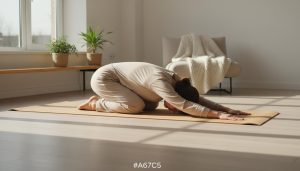
Last week, I hit that familiar wall around 3 p.m. My shoulders were hunched over my laptop, neck stiff from hours of typing emails, and my focus felt like fog rolling in. It wasn’t just discomfort—it drained my energy and made the rest of the day a slog. I remembered how poor posture sneaks up on us desk workers, pulling us into a slouch that tightens muscles and zaps concentration.
Good posture isn’t about standing tall like a soldier; it’s about giving your body steady support for better energy and sharper focus. Simple stretches can reset that alignment without leaving your chair. I’ve made them a routine cue in my workday, and the small wins—like less fatigue and clearer thinking—add up fast.
In this guide, you’ll get eight quick desk stretches, each under two minutes, plus a simple three-step framework to weave them into your flow. No gym clothes or extra time needed. These fit right into your breaks, building sustainable habits that stick. Let’s ease into it with signs your body is signaling for a reset, then build from there.
Spot the Subtle Signs Your Desk Posture Needs a Reset
You might not notice at first, but your body whispers cues when posture slips. Tight shoulders that creep up toward your ears signal hours of hunching. A foggy head or nagging neck twinge often follows, pulling focus from your tasks.
Picture my before routine: I’d power through emails with rounded shoulders, rubbing my neck by lunch. Energy dipped, and small aches built into real fatigue. After adding quick resets, my after looked different—shoulders relaxed, head clear, ready for afternoon calls.
Other cues include lower back pressure from slumping or wrists aching from typing. These aren’t random; they’re friction from desk life. Tuning into them sets the stage for consistent stretches that keep progress steady.
Start with a quick scan every hour: roll shoulders back, feel the release. This awareness cue turns subtle signs into action triggers. Your body thanks you with sustained energy through the day.
Your 3-Step Framework to Weave Stretches into Work Flow
Building habits doesn’t need overhaul—just a simple structure. Pillar 1: Set a cue for your body, like a gentle phone alarm every 60-90 minutes. This creates a routine trigger without relying on willpower.
Pillar 2: Pick just two or three stretches from the list below. Focus keeps it sustainable, avoiding overwhelm. I choose ones targeting my tight spots, like neck and chest.
Pillar 3: Stack stretches with natural breaks, such as after sending an email batch or grabbing water. Habit stacking links new routines to existing ones for consistency. For example, I pair my coffee refill with shoulder rolls—now it’s automatic.
Take Sarah, a friend in marketing: she stacked neck tilts with her hourly stand-up. Within days, her slouch faded, energy steadied. Environment tweaks help too—position your chair so feet plant flat, reducing initial friction.
This framework turns stretches into small wins. It fits any workflow, building posture progress steadily. Next, use the checklist table to pick your starters and cues.
Desk Stretch Habit Checklist
| Stretch Name | Key Benefit | Quick How-To | Cue for Consistency | Time Needed |
|---|---|---|---|---|
| Neck Tilt | Eases neck tension, improves head alignment | Sit tall, tilt head to one shoulder, hold 20 seconds, switch sides. Breathe deeply. | After checking emails | 1 minute |
| Shoulder Rolls | Releases shoulder hunch, boosts upper back mobility | Roll shoulders up, back, down in circles, 10 times forward, 10 back. Keep elbows soft. | Hourly alarm buzz | 45 seconds |
| Eagle Arms | Opens tight chest, counters forward slouch | Cross right arm under left, lift elbows, hold 20 seconds. Switch arms. | Before video calls | 1 minute |
| Seated Forward Fold | Stretches hamstrings, relieves lower back strain | Feet flat, hinge at hips, reach toward floor, hold 30 seconds. Keep back straight. | End of email batch | 1 minute |
| Chest Opener | Expands chest, straightens spine | Clasp hands behind back, lift arms gently, squeeze shoulder blades, hold 20 seconds. | Standing for water break | 45 seconds |
| Wrist Flexor Stretch | Reduces typing strain, prevents forearm tightness | Extend arm, palm up, gently pull fingers back with other hand, hold 20 seconds per side. | After long typing sessions | 1 minute |
| Seated Spinal Twist | Releases spine torque, enhances rotation | Sit tall, place right hand on left knee, twist gently right, hold 20 seconds. Switch. | Mid-morning check-in | 1 minute |
| Ankle Circles | Improves circulation, eases leg stiffness | Lift one foot, circle ankle 10 times each way. Switch feet. Keep posture upright. | Afternoon slump cue | 45 seconds |
These eight stretches target desk posture pain points with motivating tweaks. For instance, I dim my screen during Eagle Arms to focus inward, reducing office distractions. Each cue ties to your routine, making consistency frictionless.
Use the table as your go-to checklist—print it or screenshot for your desk. Start with two, note how benefits like steady energy emerge. Pairing this with snacks from 12 Healthy Snack Swaps for Afternoon Cravings keeps my focus sharp without crashes.
Common Blockers to Desk Stretches and Friction-Free Fixes
“No time” hits everyone, especially in busy flows. Fix: Stack with micro-breaks, like after hitting send on reports—30 seconds resets without adding minutes.
- Awkward in open office? Cue private moments, like stepping to the printer for chest openers. I face my wall for discretion.
- Forgetful mid-task? Environment tweak: Sticky note on monitor says “Tilt + Roll?” Visual cues build routine.
- Muscle resistance at first? Start slow, hold half the time. Progress comes steady, not forced.
Another blocker: Desk setup fights you. Adjust chair height so knees bend 90 degrees, feet flat—this cuts initial slouch friction. I also link stretches to hydration cues; sipping water prompts shoulder rolls.
These fixes turn blockers into setups for small wins. Consistency grows when friction drops. Moving on, track your progress simply to stay encouraged.
Your Tiny Metric for Steady Posture Progress
Pick one easy tracker: “Stretches done per day.” Jot in phone notes—aim for 4-6 sessions. No app needed; simplicity sustains it.
Last month, I logged daily: Day 1, two stretches; by Day 7, six felt natural. Small wins like “less neck rub” fueled momentum.
CTA: Choose one stretch, like Neck Tilt, plus one cue, say hourly alarm. Try for 7 days, note your metric. Watch posture—and energy—shift steadily.
This metric celebrates progress without pressure. It ties back to cues for lasting routine.
Frequently Asked Questions
How often should I do these desk stretches?
Aim for 2-3 times daily, tied to natural cues like hourly alarms or break signals. This spacing builds consistency without overwhelm. Over time, your body craves the reset, making it a steady routine.
What if a stretch causes discomfort?
Modify the hold time or range—listen to your body for gentle release. Skip any that pinch, and consult a doctor if pain lingers beyond mild soreness. Start slow to ensure sustainable progress.
Can these help with lower back pain from sitting?
Yes, stretches like Seated Forward Fold and Spinal Twist target hips and spine for relief. Combine with flat-footed chair positioning. Many notice less strain within a week of cues.
Do I need equipment?
No, all are chair or desk-based, using just your body. A stable seat is ideal—no props required. This keeps friction low for any workspace.
How long until I notice better posture?
Small wins appear in 3-7 days with consistent cues, like looser shoulders. Full steady alignment builds over weeks. Track your tiny metric to see the shift.
These stretches pair well with whole foods for energy; I draw from 10 Simple Ways to Eat More Whole Foods during breaks. For lasting afternoons, consider Top 10 Foods to Naturally Increase Your Energy alongside your routine.