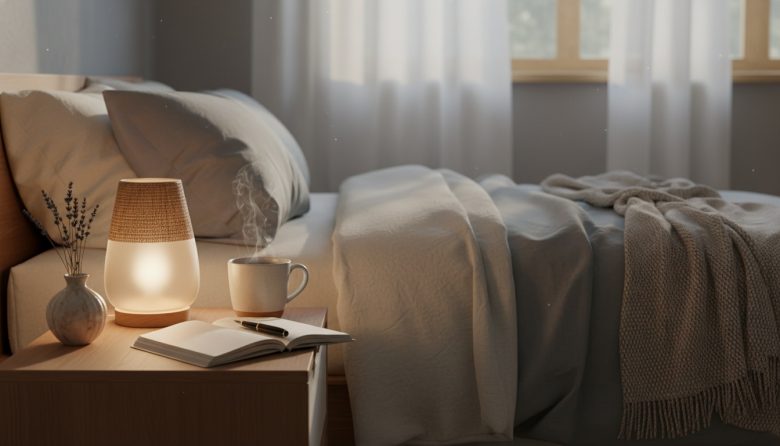
I remember my evenings used to be a whirlwind—scrolling through my phone until midnight, grabbing whatever snacks were handy, and collapsing into bed feeling wired. Sleep was fitful, and mornings dragged. Then I started a simple calm evening routine, and everything shifted: steadier energy, easier wake-ups, and that deep rest I craved.
Our evenings set the stage for sleep quality because they signal your body to wind down. With a few gentle habits, beginners can build sustainable calm without overwhelm. I’ll share my 4-pillar framework, real tweaks, and easy trackers to make better sleep feel natural.
Unplug Early: Your Digital Sunset Ritual
Screens flood us with blue light, tricking our brains into daytime mode right when we need rest. Setting a digital sunset—say, charging your phone across the room at 8 p.m.—creates instant friction reduction. I used a sunset alarm on my smartwatch as a cue, and within days, my eyes felt less strained.
Try dimming lights and swapping scrolls for a book. This cue stacks easily after dinner. Before, I’d be online until bedtime; now, those 60 minutes of detox lead to faster sleep onset.
Environment tweaks amplify this: keep a cozy reading nook ready. Consistency here builds small wins, like nodding off 15 minutes sooner. It’s a gentle start to evenings that nourish rest.
Nourish Lightly: Evening Bites That Invite Rest
Heavy evening eats spike digestion and disrupt sleep cycles. Opt for light bites like herbal tea or a handful of nuts after 7 p.m. I stack this habit right after clearing dinner plates, turning kitchen wind-down into a rest cue.
Before my routine, late chips left me restless; now, a banana with almond butter settles me perfectly. For more ideas on smart choices, consider how to organize your kitchen for healthy choices to make restful snacks the default grab.
Pair with hydration tracking—sip chamomile to signal body repair time. These small shifts create sustainable calm without strict rules. Your stomach thanks you with deeper sleep.
Move Gently: Body Flows for Evening Ease
A short walk or stretch releases the day’s tension without revving you up. I roll out a yoga mat by the couch as a visual cue, doing 10 minutes of gentle flows post-dinner. Friction gone, routine sticks.
Picture this: evenings slumped on the sofa versus a quick backyard stroll under stars. The latter eases muscles and minds into rest mode. Beginners love how it pairs with podcasts for ease.
Pre-set your space—shoes by the door or mat unrolled. Track consistency with a simple checkmark. Steady movement like this paves the way for restorative nights.
Anchor with Breath: Mindfulness Moments to Unwind
Five minutes of deep breathing or journaling quiets racing thoughts. Use a bedside notebook as your cue: jot three gratitudes after lights dim. My first week, this tiny ritual cut mental chatter in half.
Before, worries looped endlessly; now, breath anchors pull me to peace. Try 4-7-8 breathing: inhale four, hold seven, exhale eight. It’s a small win that integrates anywhere.
Habit stack it onto brushing teeth for zero extra effort. These moments build emotional release, setting up quality sleep. Gentleness here fosters long-term calm.
Common Evening Blockers and Friction-Free Fixes
Family demands often derail routines—kids’ bedtimes clash with yours. Fix: stack a 5-minute breath break during their storytime. It weaves calm into chaos without isolation.
Work emails bleed into nights for many. Set a “done” cue like closing your laptop at sunset, then shift to tea. I added an auto-reply: “Evenings reserved for rest.”
Erratic schedules create inconsistency. Use portable cues, like a phone timer for stretches anywhere. Another blocker: snack temptations; prep light options ahead, drawing from swaps like those in 12 healthy snack swaps for afternoon cravings.
Tiredness skips habits entirely. Start micro: one minute of unplugging grows naturally. These tweaks turn blockers into steady progress points.
Your 4-Pillar Framework for Sustainable Evenings
Here’s a simple 4-pillar framework to build your calm evenings: Dim & Detox (screens off), Nourish & Hydrate (light bites), Move & Release (gentle flows), Reflect & Rest (breath anchor). Each pillar stacks for flow, like dimming lights cueing your walk.
Take my Tuesday: sunset alarm dings, phone charges (pillar 1), I sip tea while stretching (2 and 3), then journal gratitudes (4). No overwhelm—just connected habits. This creates cues that pull you toward sleep naturally.
Sustainable because it’s cue-driven, not willpower-heavy. Track small wins weekly. For easy reference, use this habit checklist to build consistency.
Evening Calm Habit Checklist
| Habit | Cue to Start | Duration | Sleep Boost |
|---|---|---|---|
| Digital sunset | Phone on charger at 8pm | 60 min | Reduces blue light interference |
| Light nourish | After dinner plates cleared | 10 min | Eases digestion for deeper rest |
| Gentle move | Mat rolled out by couch | 10 min | Releases tension, signals wind-down |
| Breath anchor | Bedside notebook ready | 5 min | Quiets mind for faster drift-off |
| Hydrate close | Teacup by sink | Ongoing | Supports overnight recovery |
| Reflect wrap | Lights dimmed | 3 min | Builds gratitude for calm entry |
Print or jot this table in your planner. It turns pillars into daily rhythm. Steady use leads to sustainable sleep gains.
Tiny Metric: Track Your Drift-Off Time
Grab a bedside note: jot lights-out time and when you drift off. Aim for under 20 minutes most nights—celebrate those wins. It’s an easy, motivating tracker.
Pair it with one habit from above, like digital sunset as your cue. Try for 7 days and watch patterns emerge. This tiny metric fuels consistency without pressure.
Link hydration here too—consider how to track water intake with easy habits to boost evening calm further. Small data, big rest.
Frequently Asked Questions
What if my evenings are packed with family time?
Stack habits into 10-minute pockets, like breath breaks during kid stories or group stretches. Involve them: family tea time becomes your nourish cue. This builds shared calm without carving solo time.
Can I adapt this for shift work?
Yes—shift cues to your “evening” window, like post-shift phone detox regardless of clock time. Use light cues: dim lamps signal unwind. Body adapts to your rhythm with consistency.
What counts as a light evening snack?
Think cherries, yogurt, or rice cakes—avoid heavy proteins or sugars that spike energy. Herbal teas count too. Keep portions small to aid digestion.
How soon will I notice better sleep?
Small wins often hit in 3-7 days: easier drift-off, fewer wake-ups. Full cycles steady after two weeks of routine. Track your metric to see personal progress.
What’s the best cue for beginners?
Tie to dinner end or actual sunset—reliable daily markers. Visuals like a charged phone or rolled mat reduce decision fatigue. Start there for friction-free entry.