I remember those days when my lunches were whatever I could grab on the run—a stale granola bar or a handful of chips. My energy would crash by mid-afternoon, leaving me foggy and frustrated. It felt overwhelming to think about “healthy eating” until I discovered a simple way to build balanced meals that fit right into my routine.
Balanced meals aren’t about perfection or strict diets. They give you steady energy, clearer focus, and that quiet confidence from small, sustainable wins. Today, I’ll share my 4-pillar framework to picture your plate, plus easy steps to make it a habit without overwhelm.
Stick with me, and you’ll see how tiny tweaks—like stacking one colorful veggie onto your usual plate—turn chaos into consistency. No fancy kitchen skills needed. Just real-life swaps that worked for me as a beginner.
Picture Your Plate: The 4 Essentials for Balance
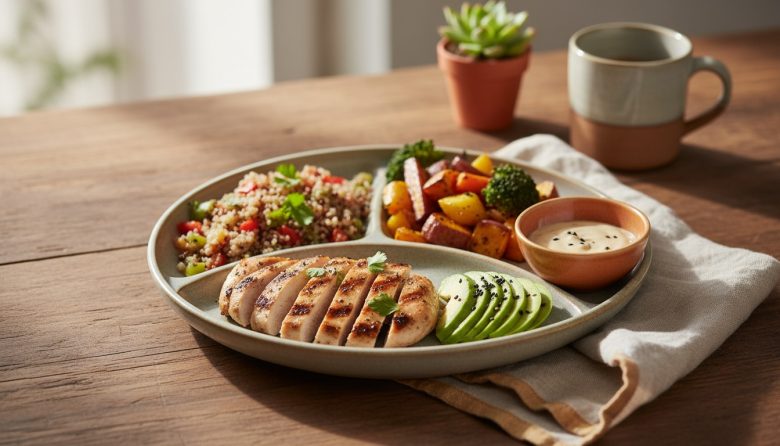
Imagine dividing your plate into four simple sections. This visual cue makes balance automatic. It’s my go-to framework: lean protein, colorful veggies or fruits, whole grains or carbs, and healthy fats.
First, lean protein keeps you full and supports your muscles—think eggs, chicken, tofu, or beans. Next, colorful veggies and fruits add vitamins and fiber; aim for half your plate here. Whole grains like oats or quinoa provide steady energy, not spikes. Healthy fats, such as avocado or nuts, help everything absorb and satisfy.
Before I used this, my dinners were pasta-heavy and left me bloated. Now, a before-and-after: old plate was rice and sauce; new one stacks chicken, broccoli, brown rice, and olive oil drizzle. Energy lasted through evenings.
Habit stack it: after plating your protein, add the veggie cue right away. This builds routine without thinking. You’ll notice steadier moods fast.
Layer in Flavors Without the Fuss
Start your meal prep with a protein cue, like pulling eggs from the fridge each morning. This anchors the routine. Then layer on veggies—chop a bell pepper while the pan heats.
Next, scoop whole grains; I keep quinoa cooked in the fridge for zero friction. Finish with fats: a spoonful of nuts or tahini drizzle ties flavors together. No recipes, just sequence.
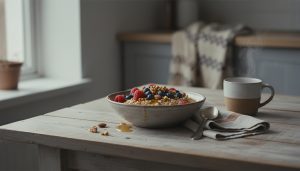
Take my morning tweak: used to rush yogurt alone. Now, I stack berries (color), oats (grains), almonds (fats), and Greek yogurt (protein). Prep takes 5 minutes, tastes better, sustains till lunch.
Environment tweak: set a “flavor station” with oils and spices near your stove. Cues reduce decision fatigue. Flavors emerge naturally, keeping boredom at bay.
For evenings, building this habit pairs well with how to create a relaxing evening wind-down routine, easing you into restful nights after nourishing meals.
Easy Food Swaps to Kickstart Balance
Swaps lower friction without overhauling your kitchen. Pick one pillar to focus on first. These beginner-friendly changes build momentum through small wins.
They target common plates, adding pillars seamlessly. Track how energy shifts after a week. Here’s a quick reference:
| Common Swap-Out | Balanced Swap-In | Why It Works | Sample Meal Cue |
|---|---|---|---|
| White bread toast | Whole grain toast with avocado | Grains + fats steady blood sugar; fiber curbs hunger | Morning: spread while coffee brews |
| Chips as snack | Apple slices with almond butter | Fruit color + fats satisfy crunch craving sustainably | Afternoon: slice post-walk |
| Plain pasta | Quinoa with spinach and chickpeas | Grains + veggies/protein bulk up without heaviness | Dinner: mix while boiling |
| Cereal breakfast | Oatmeal with berries and nuts | Whole grains + color/fats prevent mid-morning crash | Evening prep: soak overnight |
| Fried chicken | Grilled chicken salad with olive oil | Lean protein + veggies add volume, cut excess fats | Lunch: grill batch Sundays |
| Soda side | Infused water with lemon | Hydrates while mimicking fizz; pairs with any plate | Meals: fill glass first |
Use this table as your cue card. Start with one row per day. Notice how these tweaks create fuller, tastier plates effortlessly.
Spot and Fix Common Blockers to Steady Eating
Time crunches hit everyone. Fix: set a 10-minute prep cue, like “chop veggies while podcast plays.” Batch two days’ worth on weekends for zero daily friction.
Boredom sneaks in with repetition. Rotate three flavors weekly—herbs one day, citrus next, nuts third. This keeps cues fresh without menu planning overwhelm.
Grocery friction derails routines. Build a weekly list habit: scan fridge Sunday, add pillar staples like eggs and greens. Shop once, stock cues in visible spots.
- Decision fatigue? Default to plate pillars every time.
- Portions unclear? Fill plate visually—no scales.
- Travel? Pack nuts and fruit for portable balance.
These fixes turn blockers into steady progress. I once skipped lunches from busyness; now, cues keep me consistent.
One Tiny Metric to Track Your Wins
Your tiny metric: log one “balanced plate” per day in phone notes. Just note the four pillars you hit—no judgments.
Example: “Lunch: chicken (protein), salad (veggies), rice (grains), oil (fats). Felt steady.” Small wins compound.
Why this? Consistency beats perfection. Miss a day? Resume without shame. Over a week, patterns emerge, fueling motivation.
I started this metric shaky, logging twice weekly. Now, it’s daily habit. Celebrate the streak.
Combining meals with top 10 foods to naturally increase your energy amplifies these wins naturally.
Try This 7-Day Gentle Challenge
Choose one swap from the table, like apple with almond butter. Pair with one cue: unpack groceries, place it front-and-center in fridge.
Track your tiny metric daily. Note energy shifts. Adjust gently—no pressure.
By day 7, you’ll crave the balance. This builds lasting routine. You’ve got this—steady steps lead to big changes.
After meals, consider how to set up a quick home stretching space to keep energy flowing through gentle movement.
Frequently Asked Questions
What’s the easiest way to start if I’m super busy?
Habit stack one pillar onto an existing meal. For example, add a handful of spinach to your usual sandwich while it’s toasting. This takes seconds, builds the cue without extra time, and snowballs into full plates naturally.
Do I need to count calories for balance?
No, skip the numbers—focus on pillars for intuitive fullness. They naturally regulate portions through fiber and protein satisfaction. Sustainable cues like plate visuals outperform tracking for beginners.
What if I don’t like veggies?
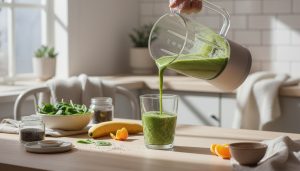
Sneak them in low-friction ways: blend spinach into smoothies or roast cauliflower with seasoning till caramelized. Start tiny—one tablespoon per meal as a cue. Taste buds adapt with consistency.
How do I handle eating out?
Adapt the plate method: half veggies/salad, quarter protein, quarter grains. Ask for dressings aside. This keeps balance portable, turning any menu into your framework.
Can kids or families follow this?
Yes, make it fun: let kids divide plates with colors. Family routine: Sunday pillar prep together. Examples like taco nights with bean protein, veggie toppings, corn grains build shared habits gently.