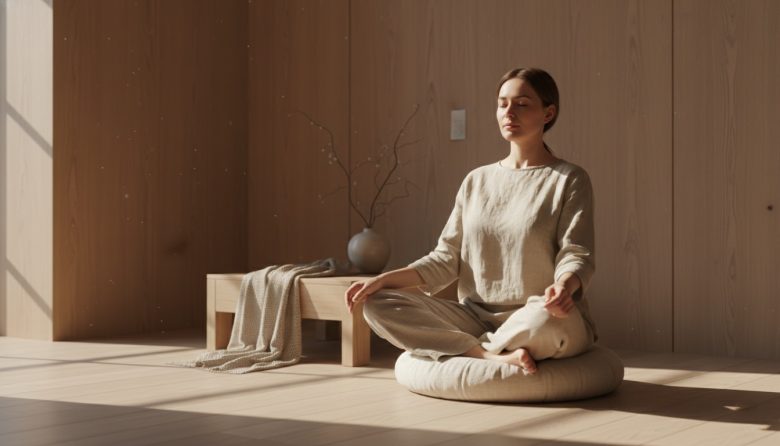
I remember my first attempt at meditation like it was yesterday. I was juggling a new job, endless to-do lists, and that constant buzz in my head that made evenings feel chaotic. One night, after forgetting my keys for the third time that week, I sat on my kitchen floor for just two minutes, eyes closed, breathing. That tiny pause shifted something—less overwhelm, more calm. If you’re like I was, feeling pulled in a million directions, this guide is for you.
We’ll keep it simple with a 3-step framework to build a sustainable routine, tweaks for common blockers, and one easy metric to track your steady progress. No apps, no fancy gear—just gentle steps for real daily wins. You’ll see how five minutes of stillness can ease stress, sharpen focus, and even sweeten your sleep. Ready for small, doable changes that stick?
Why Your Day Craves Just 5 Minutes of Stillness
Picture your morning rush: alarm blaring, coffee gulped, out the door with a foggy mind. Stress piles up fast—emails, meetings, that nagging worry loop. Now imagine slipping in five minutes of quiet breathwork. Suddenly, decisions feel clearer, tension eases from your shoulders.
Beginners often notice quick wins like better focus during work or unwinding faster at night. I used to snap at little things after long days; post-meditation, my patience grew without effort. Studies back this too—short sessions lower cortisol, the stress hormone, paving the way for sustainable calm.
Take Sarah, a friend new to this. Before, her evenings were doom-scrolling till midnight, sleep choppy. After adding five minutes post-dinner, she fell asleep easier, woke refreshed. For a fuller picture, consider pairing it with 7 Habits for a Lighter Daily Lifestyle to amplify those ripples throughout your day.
It’s not magic; it’s consistency meeting biology. Your brain rewires gently with regular pauses, boosting emotional steadiness. Start small, and watch how this habit cues ripple into sharper afternoons and restful nights.
Your 3-Step Framework for a Sustainable Meditation Routine
Building a routine starts with three gentle pillars: cue, sit, reflect. This keeps friction low and momentum high. No overwhelming overhauls—just stackable steps.
Step 1: Pick a cue. Tie meditation to an existing habit, like after brushing your teeth. I stack mine post-morning coffee; the warm mug signals “time to pause.” This habit stacking reduces decision fatigue.
Step 2: Sit comfortably for 1-5 minutes. No perfect posture needed—use a chair, back supported. Focus on your breath: in through nose, out through mouth. If thoughts drift, that’s normal; gently return.
Step 3: End with a gratitude note. Jot one thing you’re thankful for, like “cozy socks” or “birdsong outside.” This seals the session positively. Environment tweaks help too—dim lights or a favorite candle nearby.
For example, before: chaotic mornings, no pause. After: cue hits, quick sit, note written—day starts steadier. Try habit stacking with How to Set Up a Simple Daily Walking Routine afterward for a full calm flow. These steps build consistency without force.
Over a week, this framework turns “maybe later” into automatic routine. Small wins compound, making stillness a cozy anchor in busy days.
Build a Cozy Corner That Gently Pulls You In
Your space matters more than you think. A low-friction setup invites you back daily. Start with what you have: a cushion, soft throw, plants nearby.
Choose a quiet spot—bedroom corner or windowsill. Add cues like lavender oil or a timer chime. I keep mine by my reading chair; the familiar pillow whispers “sit here.”
Before tweak: meditating on the hard couch, distractions everywhere. After: cozy nook with blanket, phone silenced, gentle lamp—sessions flow effortlessly.
Soft lighting reduces eye strain; scents like chamomile cue relaxation. Keep it clutter-free to minimize mental friction. This environment design makes starting as easy as sinking into a hug.
One beginner I know cleared her desk corner, added a scarf for color. Now, seeing it pulls her in naturally. Sustainable routines thrive on these subtle pulls.
Common Blockers and Simple Fixes to Keep Momentum
Minds wander—that’s common. Fix: Label thoughts kindly, like “planning” or “worrying,” then return to breath. No judgment; it’s practice.
Fatigue hits mid-day? Shorten to one minute. I do this during lunch slumps; even 60 seconds refreshes. Consistency over perfection.
Forgetting your cue? Set a gentle phone reminder or sticky note. Pair with toothbrush for reliability. These fixes keep routines rolling.
Another blocker: “I’m bad at this.” Reframe to “I’m learning.” Track one good breath daily—progress builds encouragement.
Environment snags, like noise? Earplugs or white noise app. These tweaks turn blockers into bridges for steady habits.
Track One Tiny Metric for Steady Progress
Pick deep breaths per session—aim for five steady ones. Note in a journal: “Today’s count: 6.” Simple, no pressure.
Why it works: Focuses on quality over time. Small wins like “up from 3 to 5” motivate without overwhelm.
Journal prompt: “How did those breaths feel? Any calm linger?” This reinforces cues. I started at 2; now 8 feels natural.
Weekly review: Celebrate rises. Ties to sustainable progress language—steady, not sprint.
Do’s and Don’ts: Smooth Out Your First Sessions
These quick guidelines smooth early bumps. Use the table below for at-a-glance tips tailored to beginners. Each row builds confidence with practical why’s.
| Do | Don’t | Why It Helps |
|---|---|---|
| Sit with back supported | Force lotus position | Keeps comfort high, prevents strain for longer sessions |
| Start with eyes closed softly | Stare intensely at a wall | Blocks distractions, eases into inner focus |
| Count breaths if mind wanders | Chase every thought away | Gently anchors attention without frustration |
| End sessions on time | Push past your timer | Builds positive association for daily return |
| Breathe naturally, no force | Hold or deepen unnaturally | Promotes relaxation over tension |
| Smile softly afterward | Critique your “performance” | Celebrates effort, fosters habit joy |
Refer back as needed. These keep first weeks encouraging.
Choose one step from the framework—like your cue—and one fix from blockers. Try for seven days. Notice the subtle shifts; that’s your win.
Share how it goes in comments—I’d love to hear your tiny metrics.
Frequently Asked Questions
Can I meditate lying down if sitting hurts?
Yes, lying down works fine, especially with back issues. Use a mat or bed, knees bent for support. Just stay alert to avoid sleep—set a soft timer. This keeps accessibility high for sustainable routines.
What if my mind won’t stop racing?
Racing thoughts are normal, even for pros. Label them gently—”thinking”—and return to breath. Sessions improve with consistency; don’t fight, observe. Over time, the pause lengthens naturally.
Is there a best time of day to start?
No universal best—pick when cues fit, like morning or pre-bed. I favor evenings for unwind. Experiment; mornings boost focus, nights aid sleep. Tie to your rhythm for ease.
Do I need an app or guided audio?
Not at all—breath focus stands alone. Apps add structure later if wanted. Start app-free to build inner cues. If helpful, try free ones sparingly to avoid dependency.
How do I know it’s working if I feel nothing?
Effects often subtle: calmer reactions, better rest. Track your tiny metric for proof. After a week, note mood shifts. Trust process—small wins accumulate into steady calm.